
01
Write the plan
We build a BCP with your team: what must restart first, who decides, and what you need in stock.
BCPJAPAN · Japan
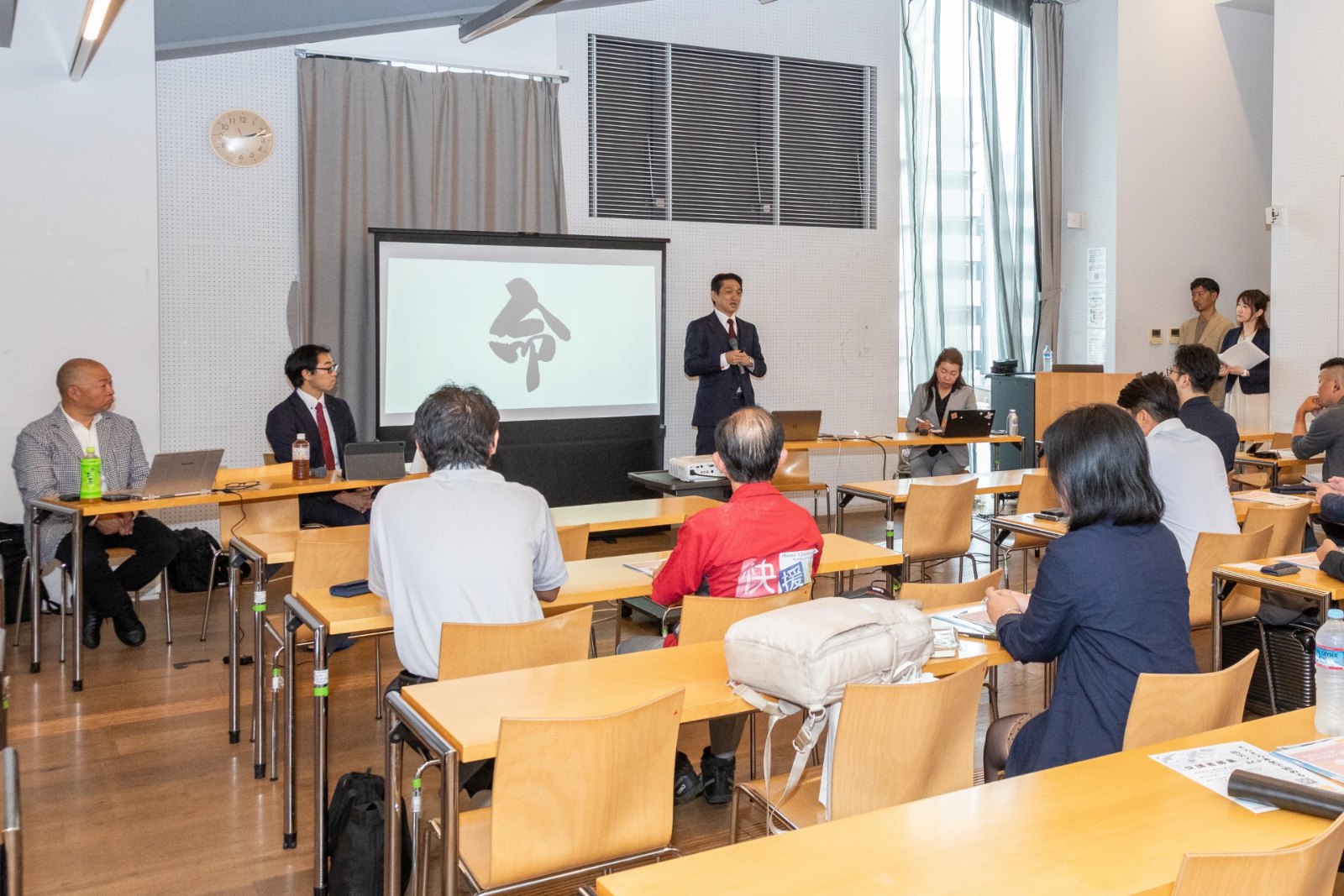
BCPJAPAN is a Japanese consulting firm. We write Business Continuity Plans (BCP) with companies, and train their people to use them. A BCP is a plan that keeps a business running, or gets it back quickly, after an earthquake, typhoon, cyberattack or supplier failure. We are a pioneer of this kind of resilience management in Japan, and we are now building a course for business owners abroad.
Our fourth year at the BNI Global Convention
Sydney→Madrid→Hawaii→Monaco 2026
What we do
Many companies have no written plan for the day their site, their systems or their suppliers stop. We help them build one, and make sure the team can use it.
We build a BCP with your team: what must restart first, who decides, and what you need in stock.
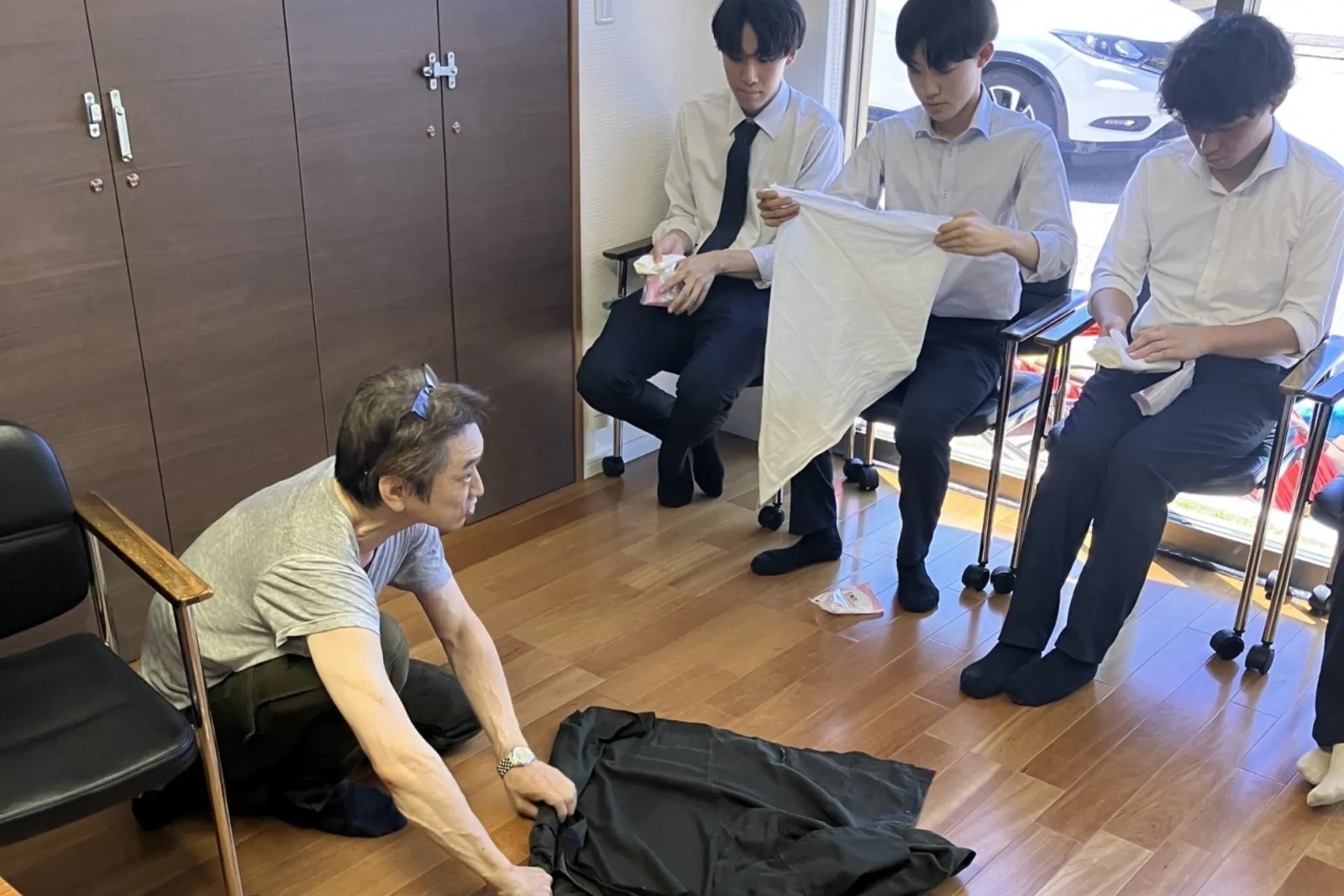
A structured course for business leaders, with worksheets your company keeps as its own documents.
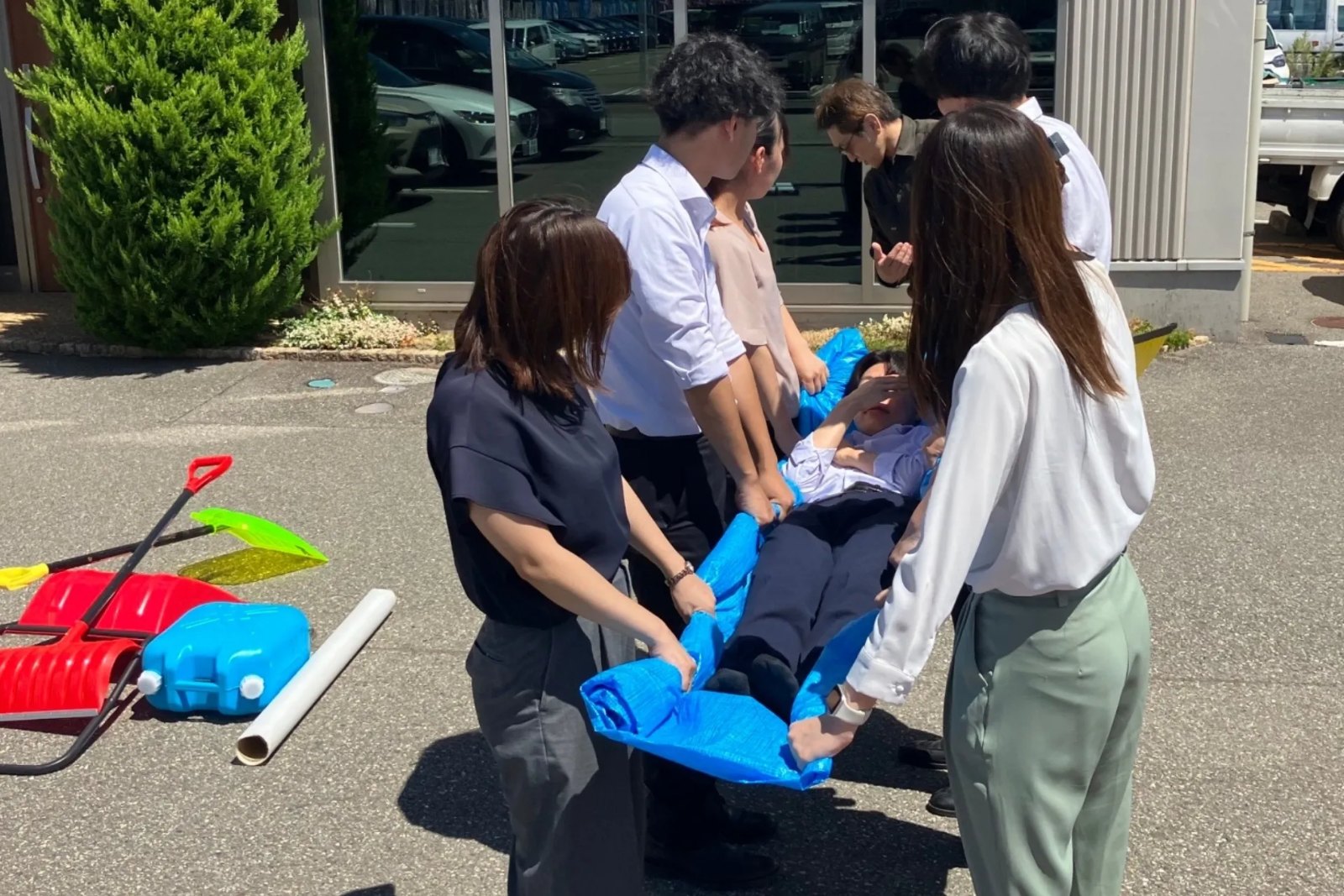
Table-top drills and on-site exercises, from teams of 5 to companies of thousands.
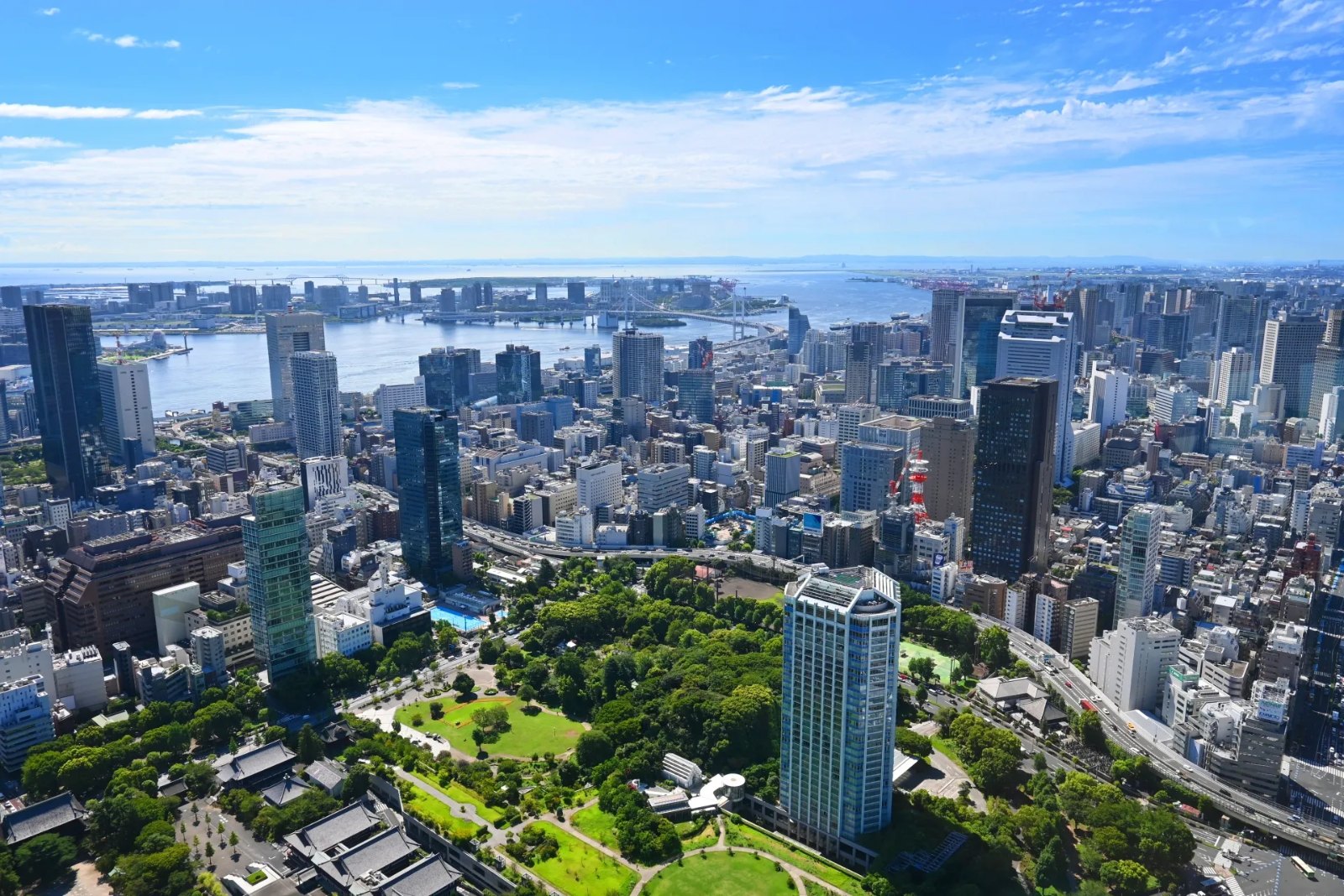
Land and hazard diagnosis, the part of risk that starts under the building.
How a plan works
A BCP covers four stages. Each stage has an owner, a checklist and a review date, so nobody has to invent the answer on the worst day.
Stage 1
Find the risks. Fix what you can before anything happens.
Stage 2
Protect people first. Report, decide, act.
Stage 3
Restart the few activities that keep the business alive.
Stage 4
Return to normal, then learn from the event.
The first 72 hours
Source: BCPJAPAN course, Volume 04.
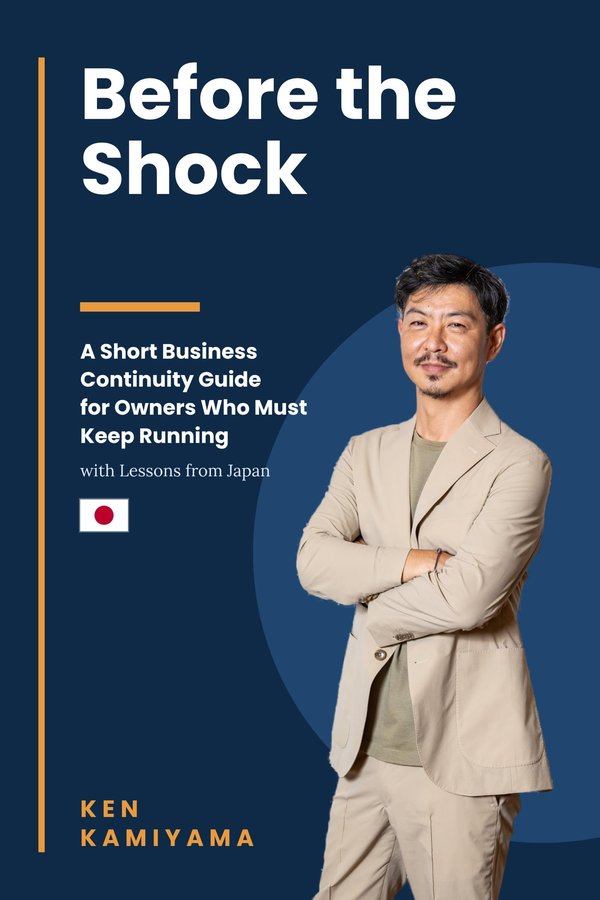
New book · in English
A Short Business Continuity Guide for Owners Who Must Keep Running, with Lessons from Japan.
By Ken Kamiyama. Available on Amazon.com (Kindle).
Why we do this
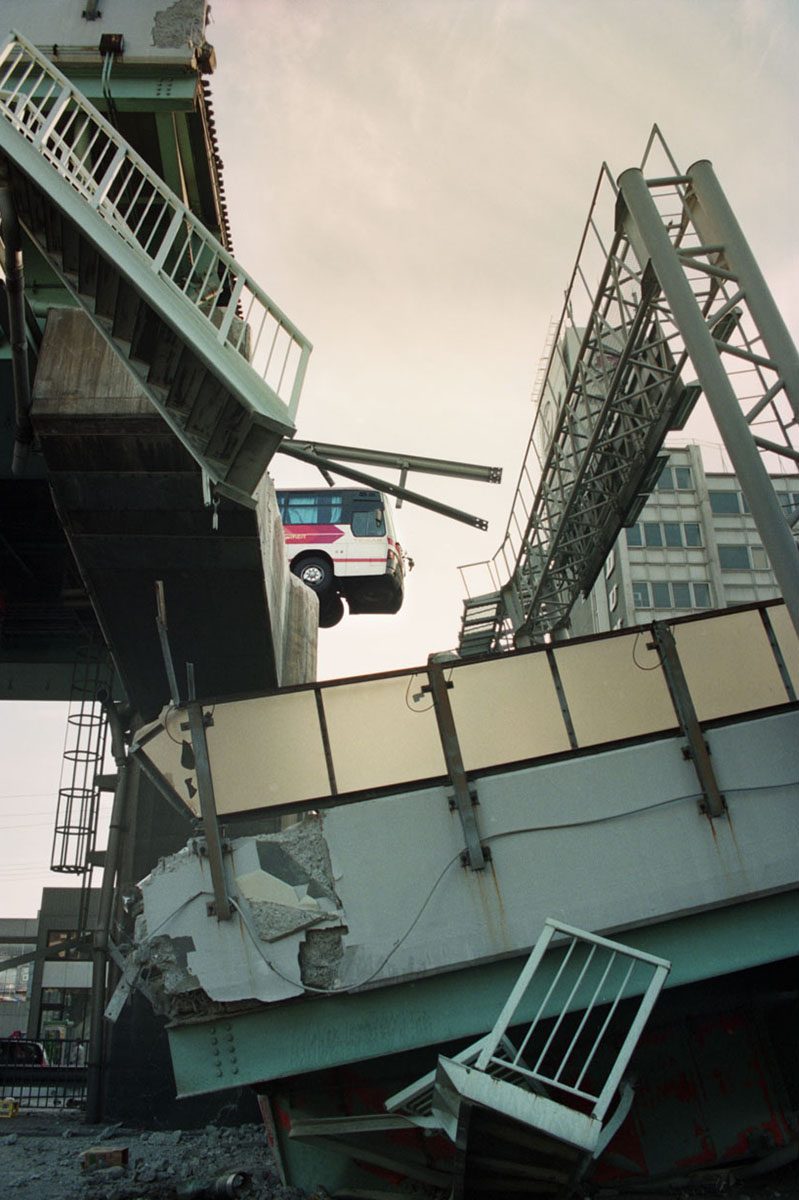
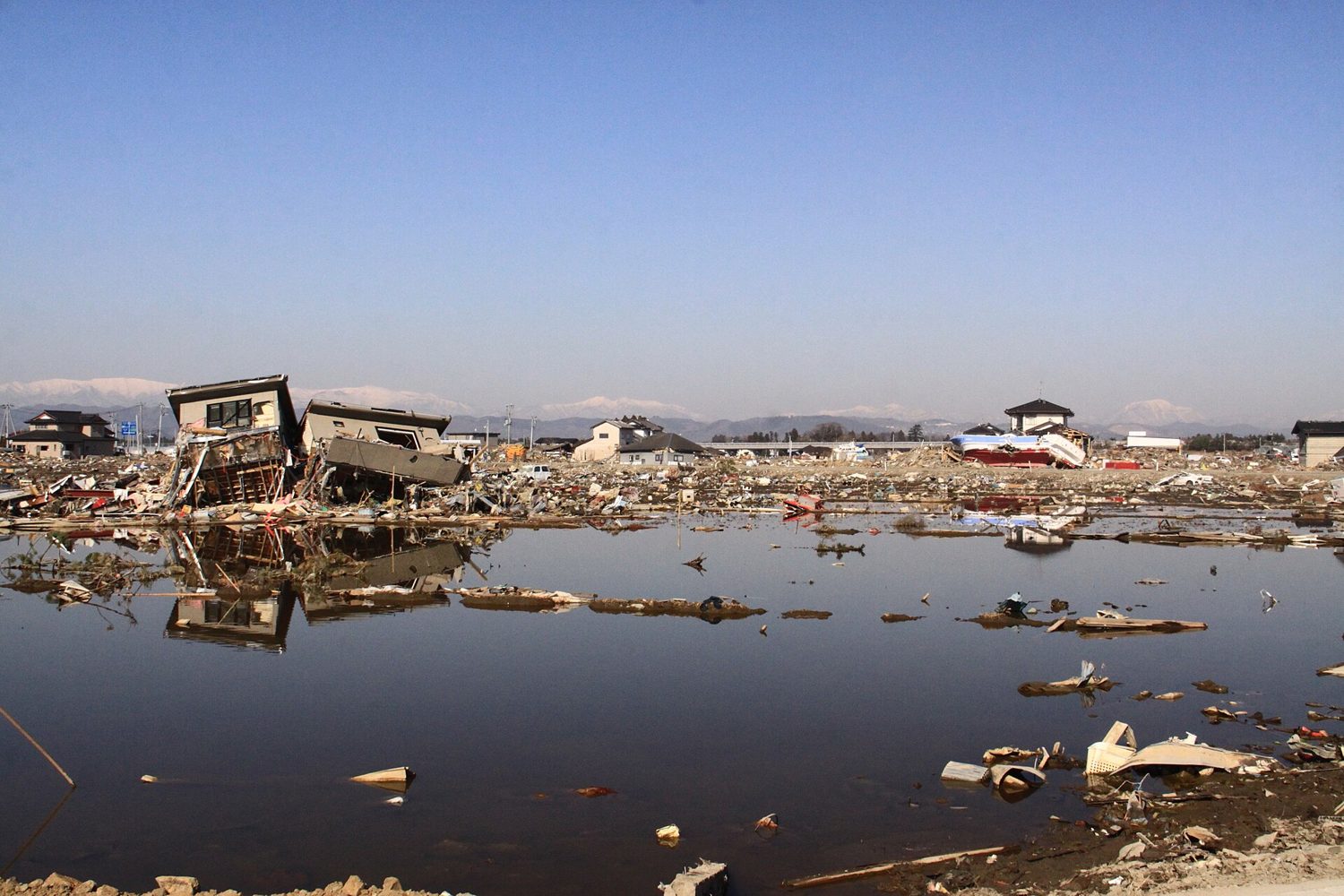
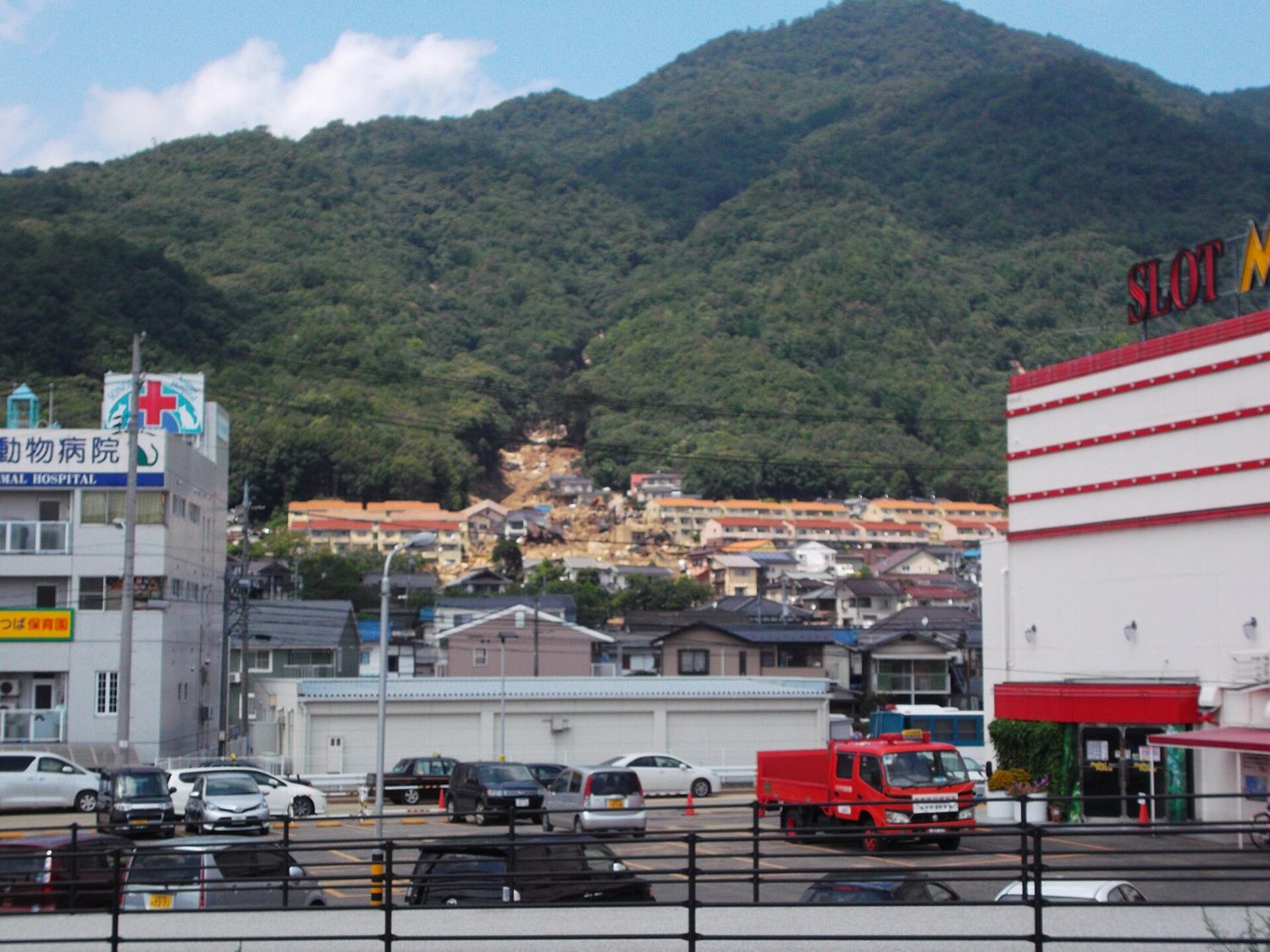
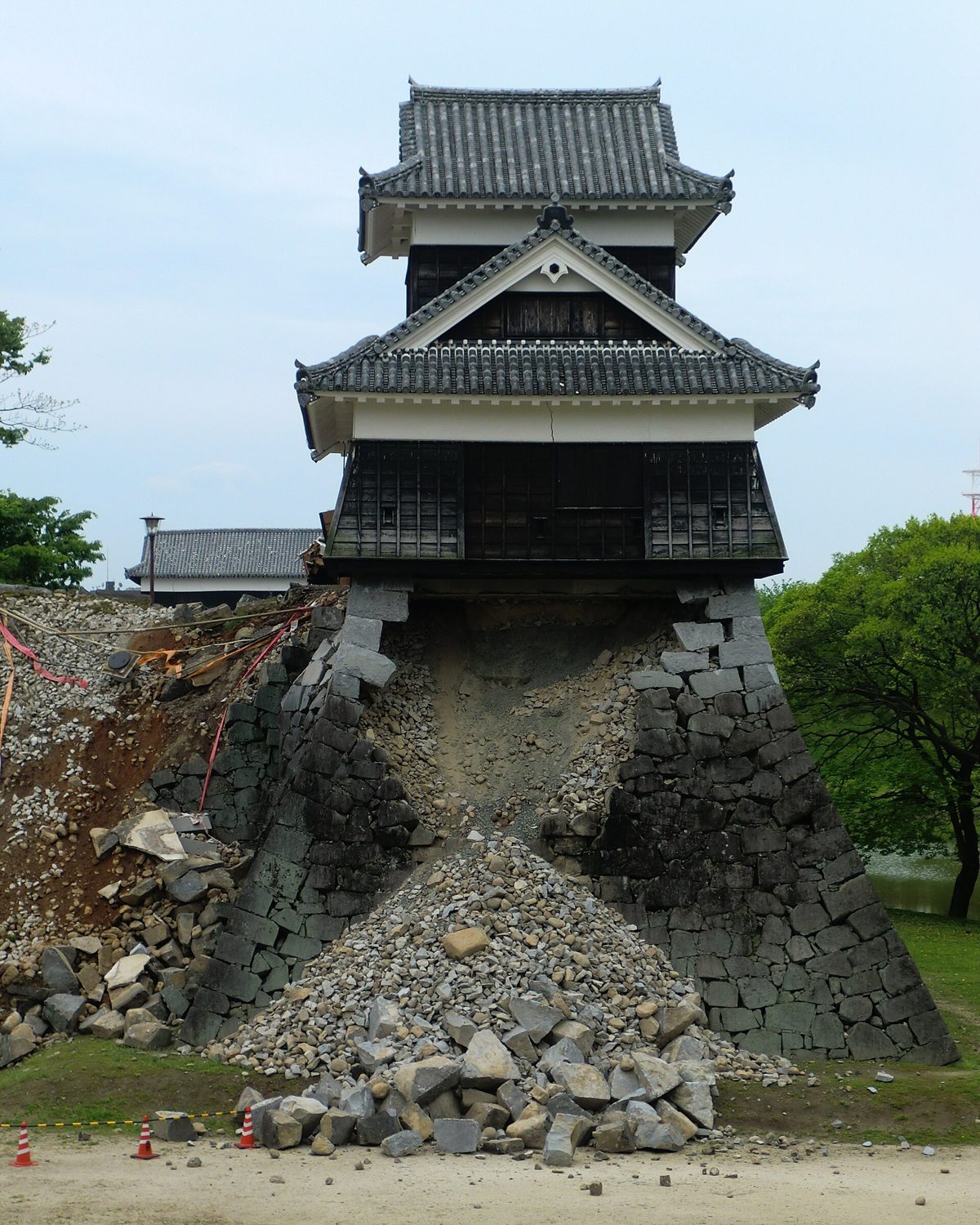
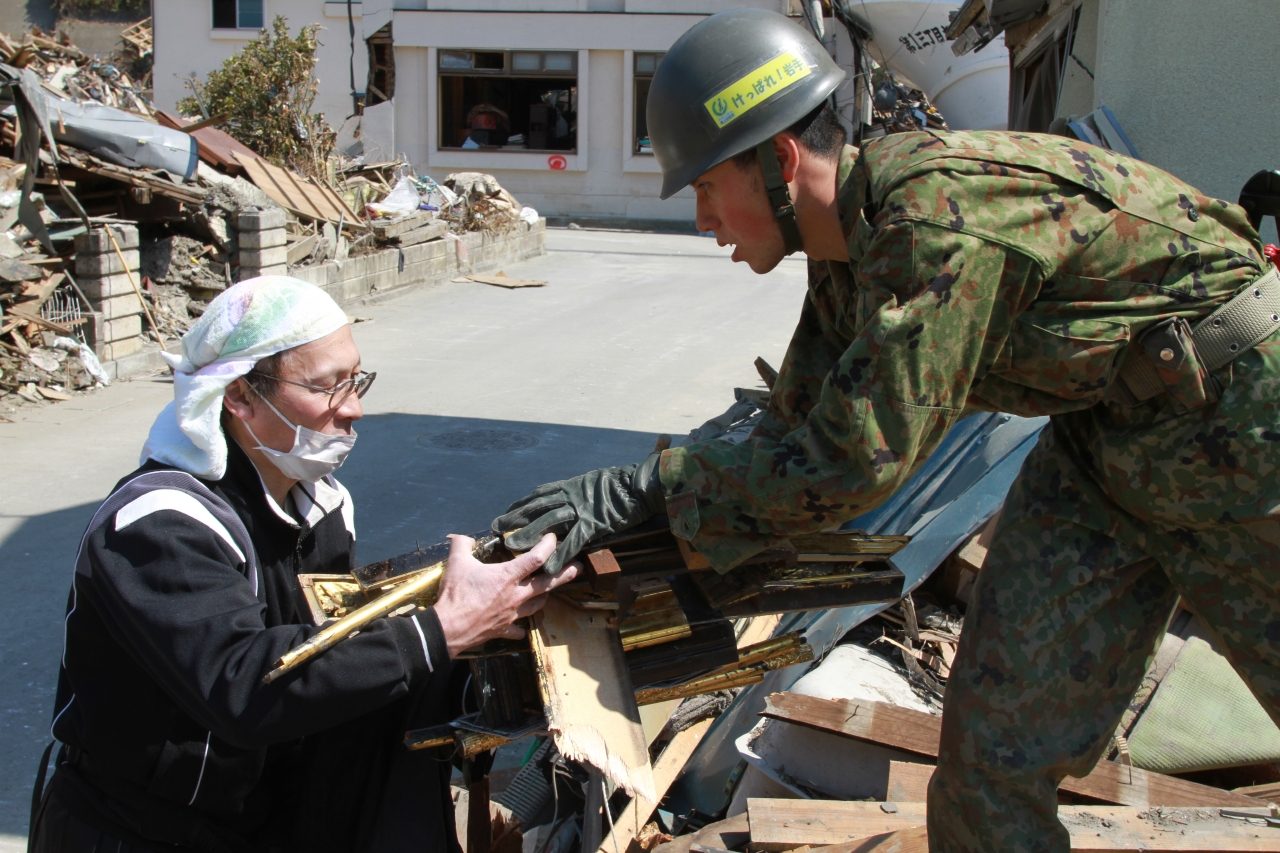
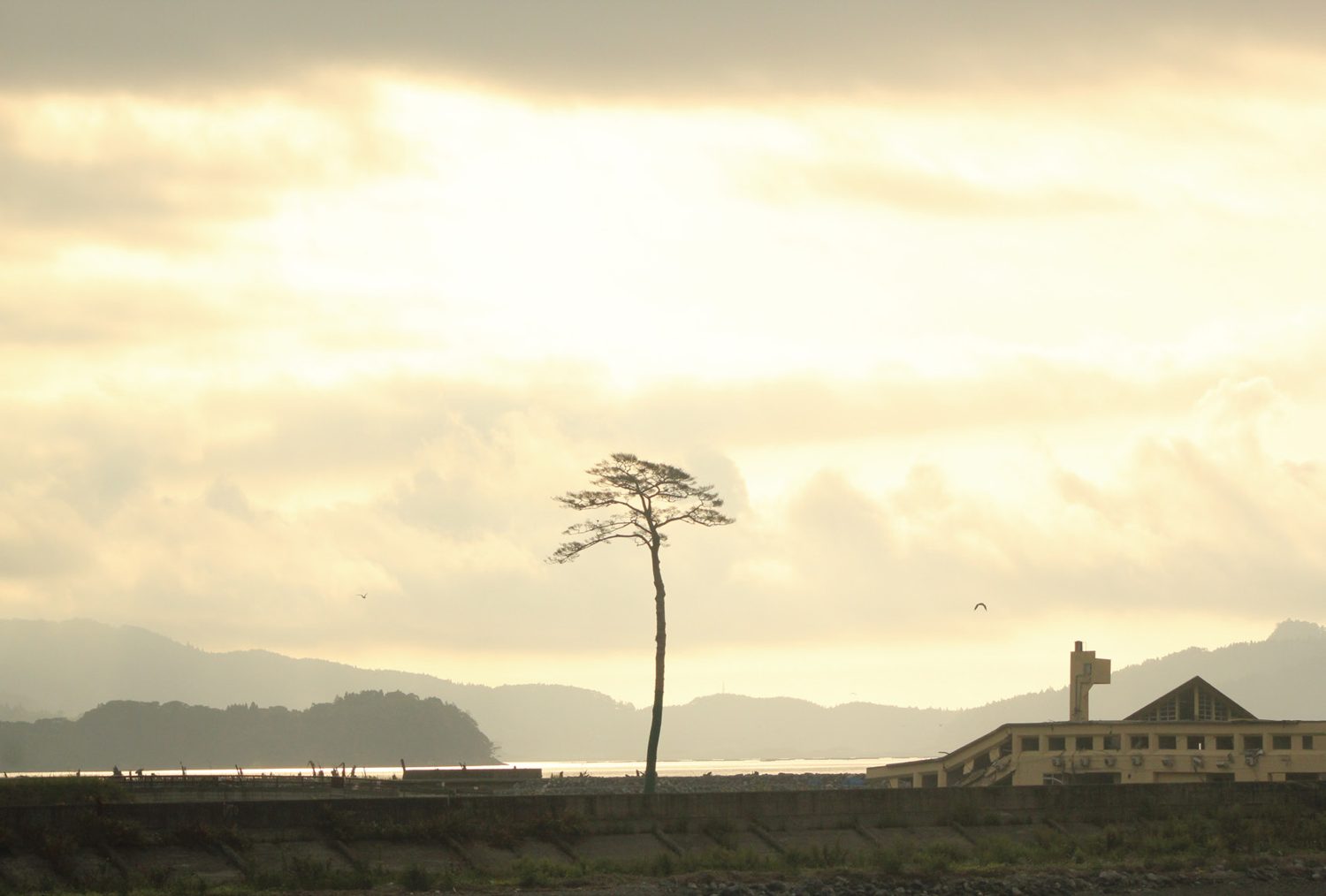
Earthquake, tsunami, landslide, fire. Each of these places came back, and the habits of preparing, helping each other and restarting are what we teach.
And then
Preparation does not stop the disaster. It shortens the road back.
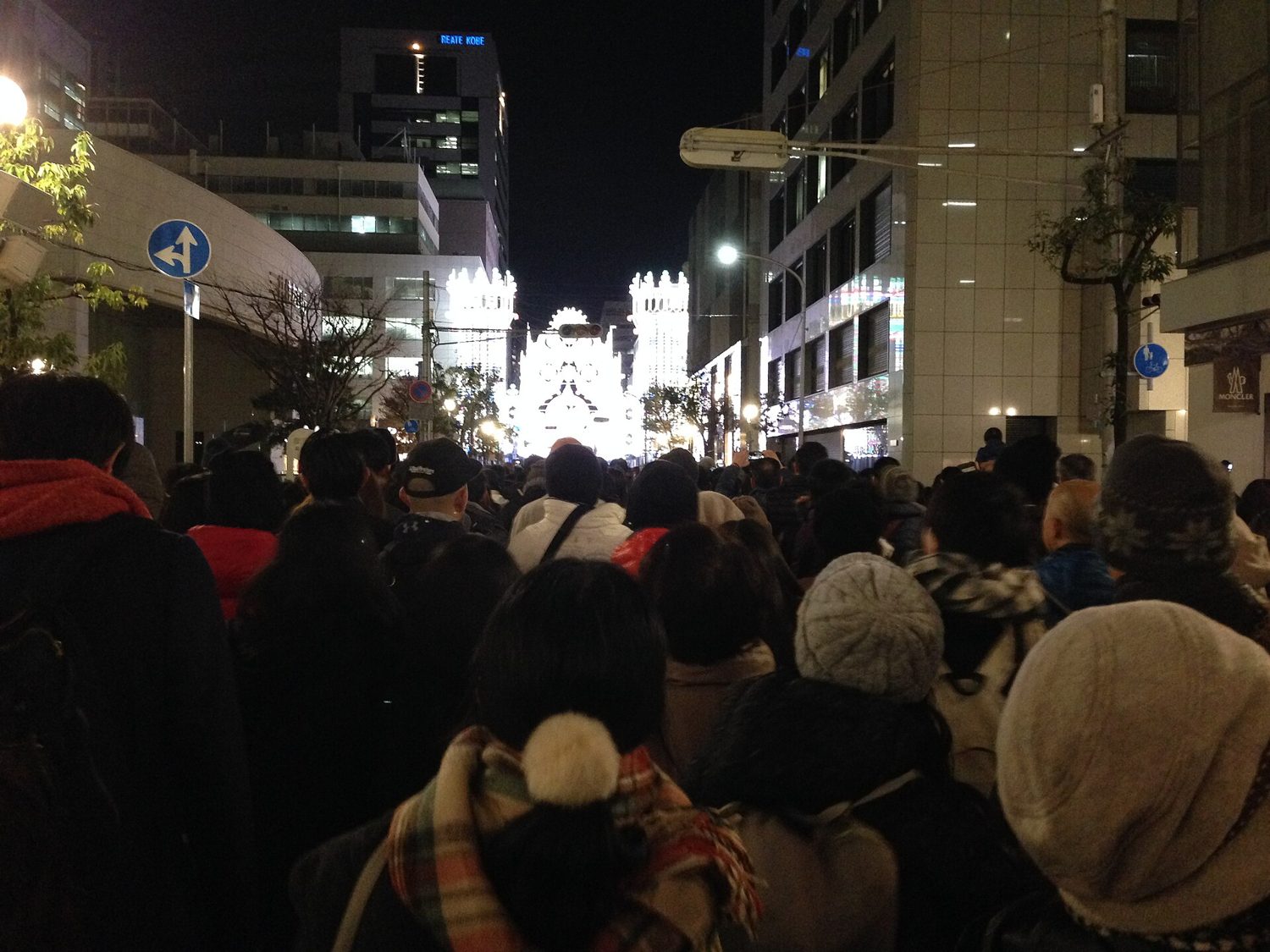
Pioneer of BCP in Japan
His preparedness work began as a volunteer in a Kobe shelter. It grew into BCPJAPAN, where he leads training for companies across Japan.
Great Hanshin (Kobe) earthquake. First volunteer at a shelter holding 2,300 people. Later asked to lead the shelter for three months.
Chuetsu earthquake. Supported relief in Ojiya, Niigata.
Founded the company that became BCPJAPAN, renamed in 2012.
Great East Japan earthquake. He was teaching 3SK and BCP at a precision-machinery plant when it struck, and led the first response. He visited Tohoku monthly for a year.
Author of a book on BCP for small care businesses (2021). Developed the 3SK method used in our courses.
Source: BCPJAPAN member profile.
Ground risk and the land
Foundation engineering, structural design and site work in Japan, Australia and Southeast Asia. Then more than 8,000 ground and disaster risk diagnoses. He teaches the part of preparedness that starts under your feet.

Source: Kamiyama diagnosis records and published books.
Where we stand
The program runs today for Japanese companies. We have not yet delivered it outside Japan, and we say so up front.
Our case is based on what we have done in Japan and on the preparedness practices of Japanese business. We would rather say that clearly than suggest otherwise.
Source: BCPJAPAN course design (Version 10).
Opening module
Japan lives with earthquakes, tsunami, typhoons, floods and volcanoes. Over generations, its businesses and communities built habits for getting ready. The opening module explains those habits and shows how a manager can use them.
How long-established Japanese firms think about continuity, and what they keep ready.
Seismic building standards and national stockpiling, explained for business owners.
Evacuation practice in schools and workplaces as a habit that starts early.
Conflict, blocked sea routes, terrorism and the sudden loss of a key supplier.
We do not compare countries or rank them. We show what Japanese companies do, and you decide what fits your own situation. Figures used in the course are checked against public sources and cited on the slide.
The program
Text and slides come first. Video lessons follow, with each video kept to 30 minutes or less.
Phase 1
One person in your company learns the method in an online group course.
Phase 2
Monthly sessions with your own team turn the method into company documents.
Phase 3
New staff training, families, suppliers and the local community.
Phase 4
Ongoing advice and a yearly cycle of review and improvement.
This is the structure used in Japan. The overseas phases are being adapted with partners.
The roots of Japanese preparedness and how it shows up in management.
Conflict, blockade, terrorism, and a sudden stop from a trading partner.
The difference between the two, and who owns the plan.
Hazard data replaced with each country's own public sources.
Four axes: severity, urgency, likelihood and safety impact. Industry examples are localized.
A short, repeatable way to report, decide and act.
Method carried over. Laws and rules are confirmed with local experts.
Rebuilt around each country's insurance and support systems, with local specialists.
Adapted to local conditions, with added work on the supply chain.
Who to work with in your own city or region.
How to bring operations back in a planned order.
Keeping files in order, and practicing so the plan stays current.
Formats and pricing are being designed together with partners and are not set yet.
Methods you will use
3SK
Many factories already practice 5S. 3SK adds a fourth habit, crisis management, to the first three, so tidy places and tidy files become part of how you prepare. We plan to test this bridge with manufacturers.
Four stages
Each stage has its own owner, checklist and review date.
Prevent → Respond → Continue → Recover
SSR and ILDA
Safety → Situation → Report
Information → Leadership → Direction → Action
Business impact analysis
Rate severity, urgency, likelihood and safety impact on a five-step scale. Then write the evidence, the assumptions and the concrete effect, so the next person can follow your thinking.
Virtual drill
An earthquake, a power cut with failed communications, and a ransomware attack. Your team practices at a table, with no equipment needed.
Land diagnosis
A land-based risk review that comes before the plan. In each country it uses that country's public hazard data.
One habit runs through all of it: pause before reacting. In our experience, a calm first minute often saves the next hour.
Who it is for
Small and medium companies exposed to disasters, conflict, supply cuts or sudden loss of a customer.
Advisers who want a ready structure to bring preparedness work to their own clients.
Plants in regions with typhoons, floods or earthquakes, where stopping a line costs the most.
The program is written for small and medium companies. Large corporations are outside its scope.
Team
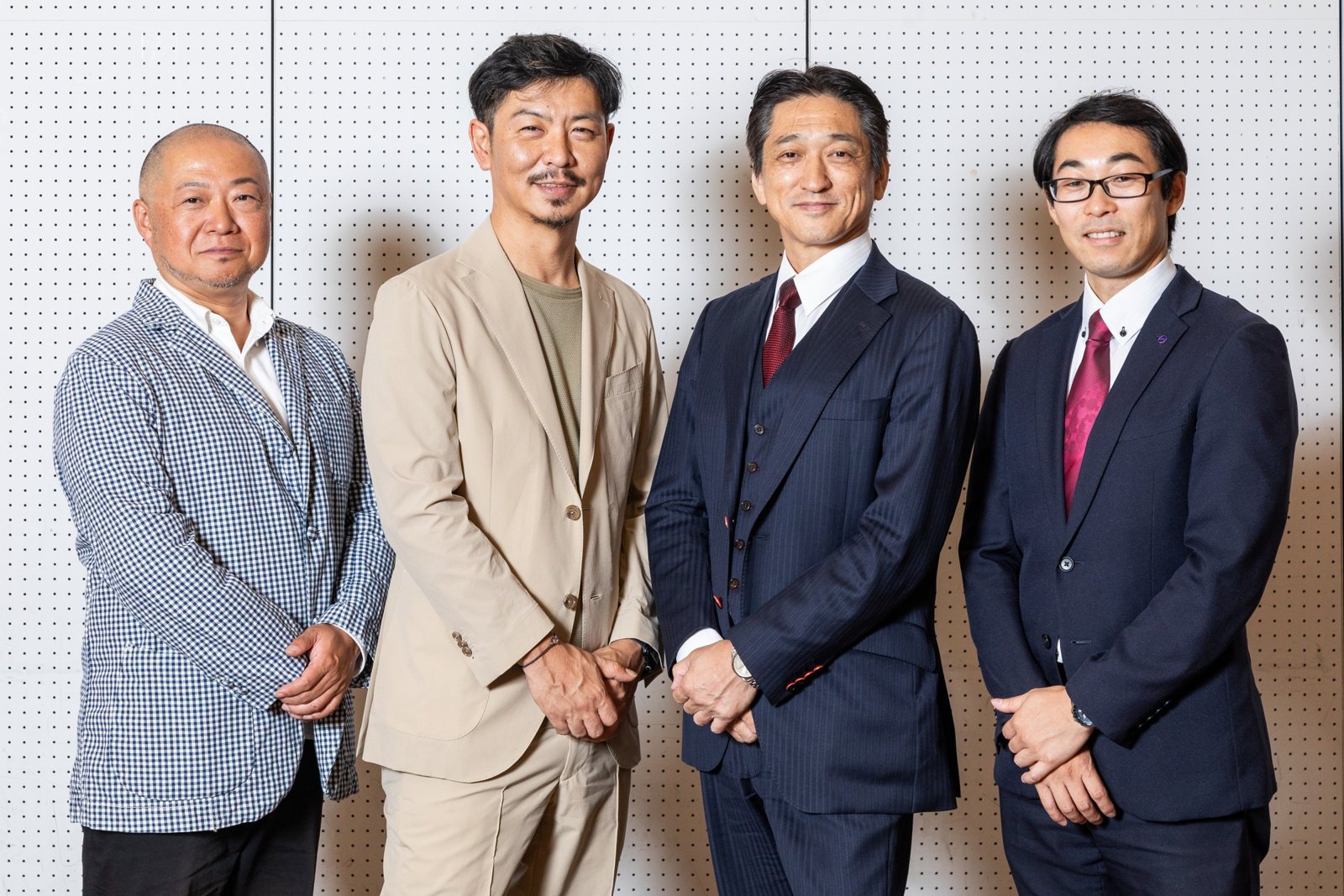
Pioneer of BCP in Japan. Leads the team and strategy side of the course, including 3SK and the Strategic Defense approach.
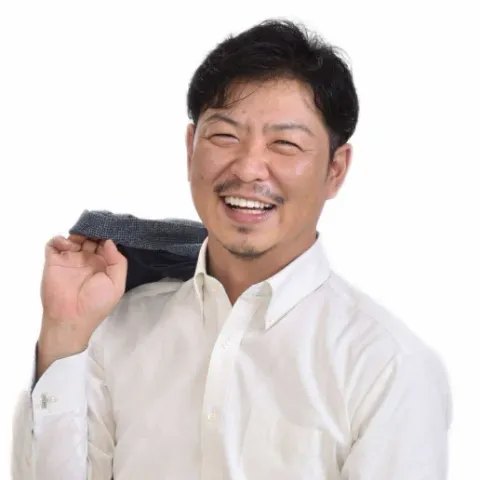
Teaches the land and hazard volume and most of the others. Author of two books in Japanese (one, two) and, in English, Before the Shock.
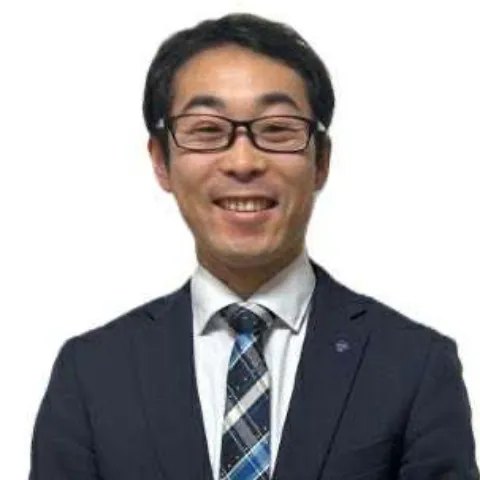
Teaches the finance, insurance and funding volume. In overseas versions, local specialists take over the country-specific parts.
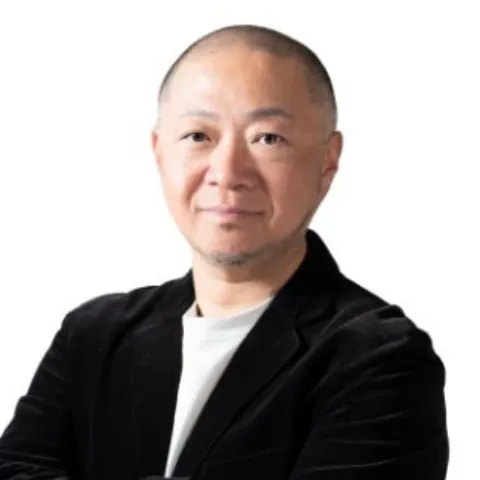
Teaches the cyber volume. Local legal requirements are reviewed with experts in each country.
Working with partners
We provide the method and the training content. A local partner knows the law, the insurance market and the way business is done in your country. We want to build each national version together.
Meetings at the BNI Global Convention in Monaco and afterwards online.
A basic plan, then English text and slides, with a sample module.
A trial run with partner companies, then a Traditional Chinese edition.
Dates are plans and may change. Legal, tax and regulatory questions always go to qualified local experts.
Keep in touch
Questions
No. We keep what works anywhere, replace what depends on Japanese law and institutions, localize what depends on place, and add a new module on Japan's culture of preparing.
Not yet. We are looking for the first partners and pilot companies, and we would rather say that clearly than suggest otherwise.
Interest has come from Taiwan, the Philippines and Europe at earlier BNI events. We are open to other regions, especially those with typhoons, floods or earthquakes.
Japanese systems are not part of the overseas version. Those parts are rewritten with local specialists, and the course tells learners to confirm legal and tax matters locally.
English first, then Traditional Chinese. Other languages depend on partners. Native speakers review every public text before release.
Yes, later. Text and slides come first, then video lessons of up to 30 minutes each.
Prices and formats are still being designed together with partners. Contact us and we will share them when they are ready.
Meet us
We will be at the BNI Global Convention. If you run a company, advise companies, or lead a chapter that would like to hear more, send us a message and we will find a time.
Company